
Technical articles integrated into PlanBuilt on planning, delays, data and project control.

In Primavera P6, the «Duration Type» setting determines how the software calculates the duration and units of work for an activity. This setting is crucial for predicting the behav
Read more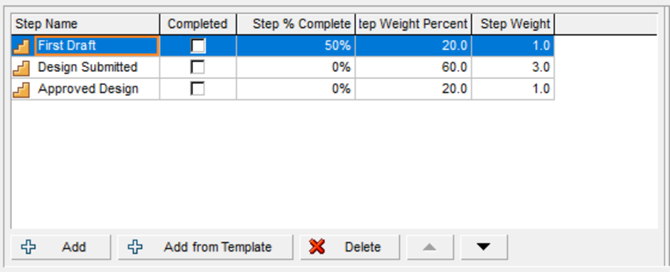
A scheduler’s primary function is to update the project progress with Primavera P6, with the method varying based on the project phase and type. Each engineer has their preferred a
Read moreLevel 1 (Management/Milestone level) Level 1 corresponds to an executive summary of the program, also known as the Project Master Schedule (PMS). Typically, it comprises a list of
Read more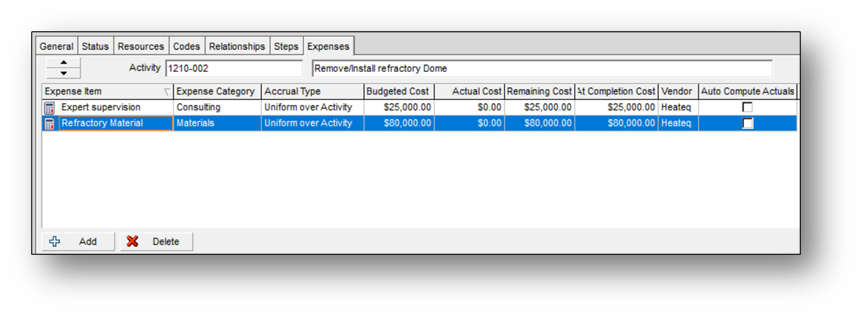
In a construction project there are different types of costs, depending on the scope, type of project and its size. Some examples of the types of costs that must be faced are: Dire
Read more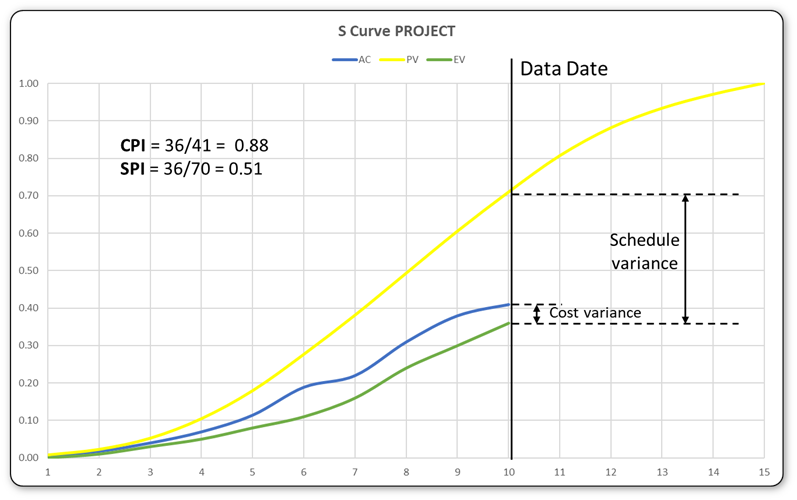
Earned value analysis (EVA) is a technique that allows measuring the progress of a project against what was planned and budgeted. This involves assessing the completed work (earned
Read more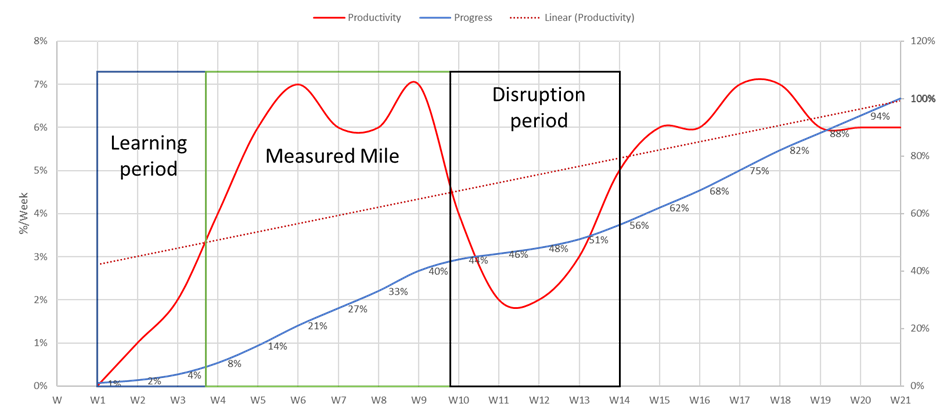
Description One of the most common methods for managing disruption claims is through the application of the «measured mile analysis.» This methodology, compares the productivity ac
Read more
Given the complexity of contemporary construction projects, delays in the completion date are common. This is attributed to a myriad of factors such as the acquisition of permits,
Read moreConstraints are used to artificially modify or limit the dates of a milestone or activity. Ideally, a well-constructed schedule should not have any restrictions. However, in practi
Read more
In addition to the application of the 14 points collected by the US Defense Contract Management Agency for the evaluation of project planning, it is useful to implement various rec
Read more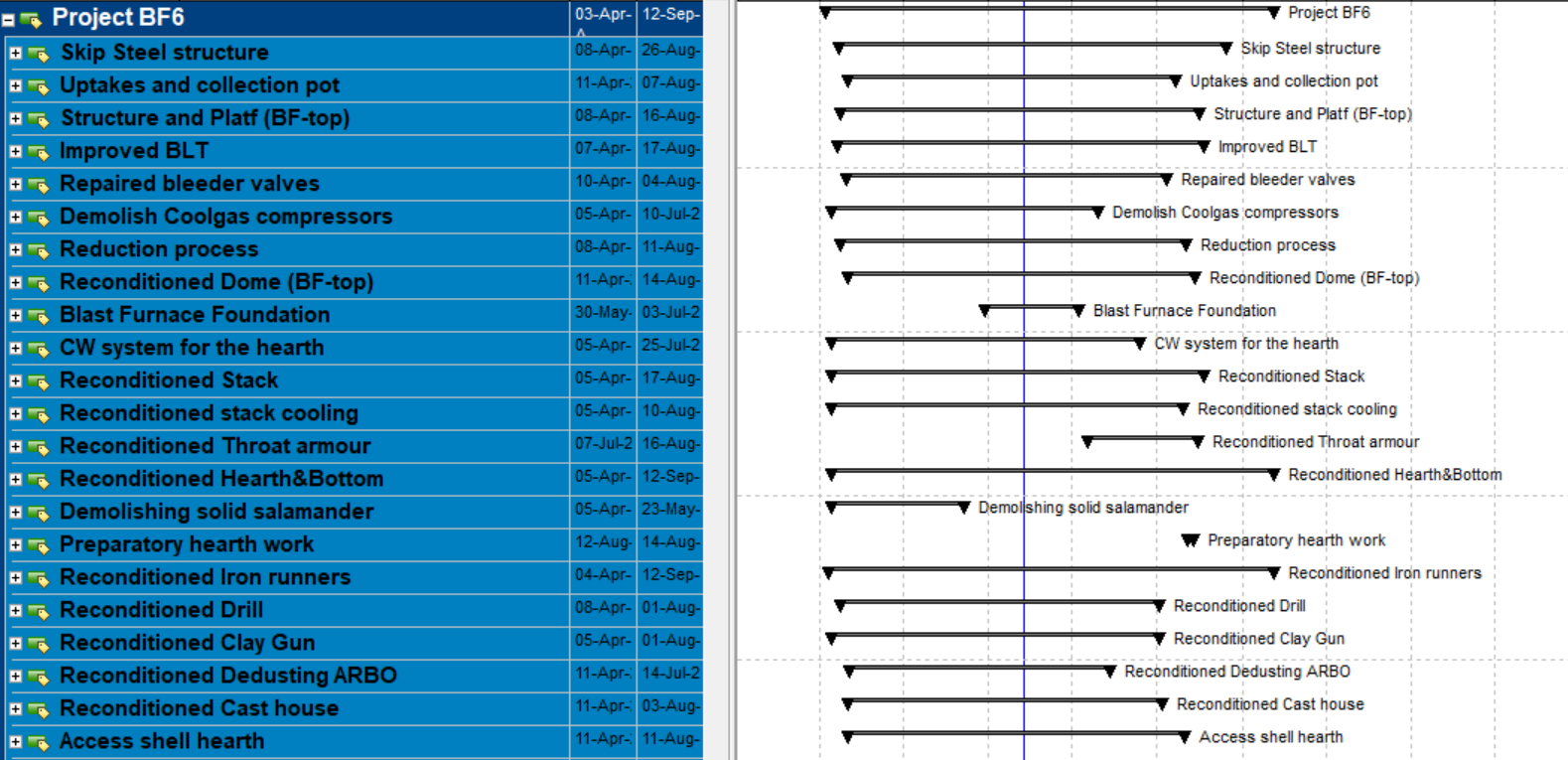
A good schedule should be structured in a way that is easy to understand, but still provides enough detail for experienced personnel to get useful information. The following steps
Read more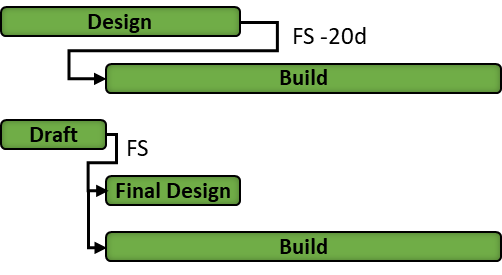
To assess the quality of project planning, it must be done from a qualitative and quantitative perspective. A qualitative assessment of the quality of planning is based on subjecti
Read more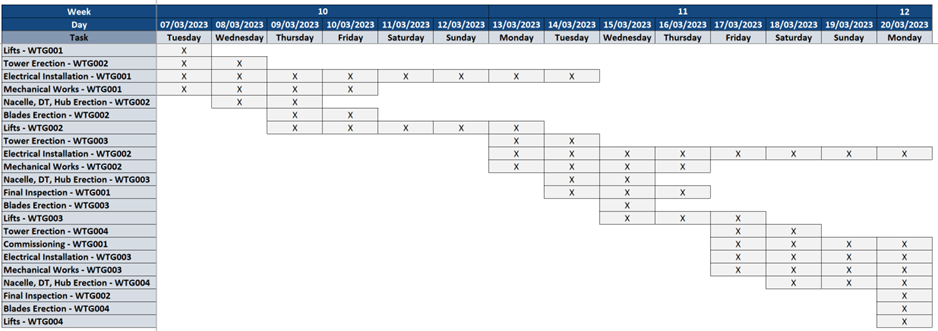
In many cases, using the schedule with hundreds or thousands of activities visualize upcoming tasks is impractical. Therefore, the need arises to create a report that improves the
Read more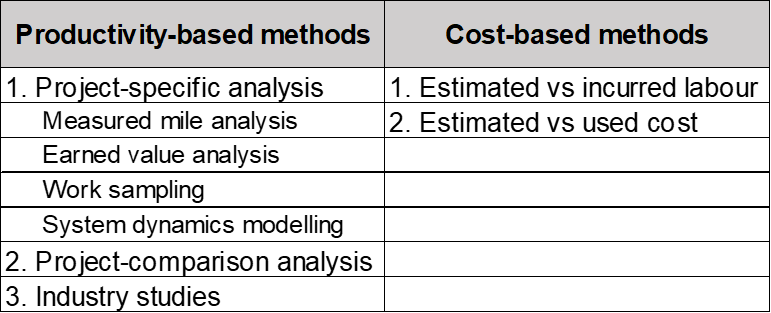
The demonstration of disruptions incurred by the contractor necessitates the application of rigorous analytical methods and techniques. These methodologies should enable the evalua
Read more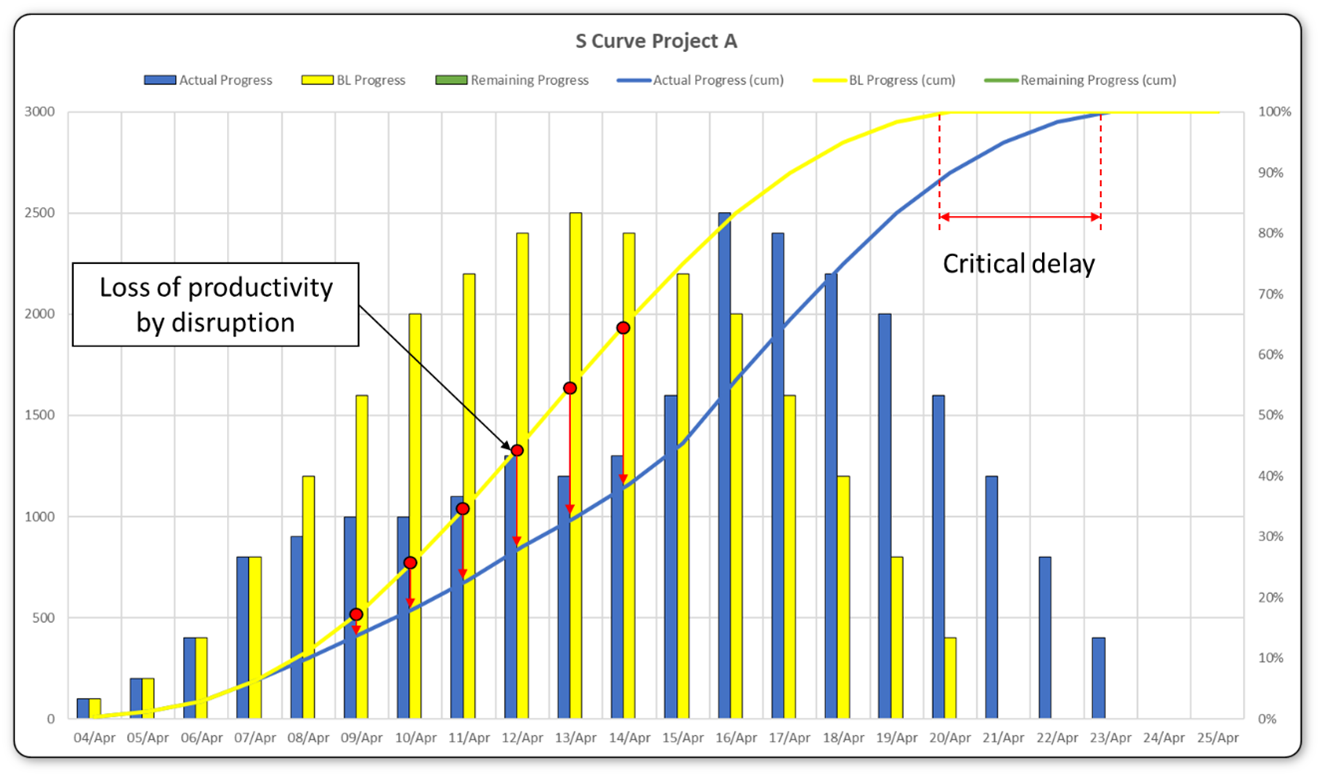
Pacing Pacing, which involves intentionally slowing down the pace of work, occurs when a decision is made to deliberately delay the completion of an activity. This decision is typi
Read moreDescription Collapsed as Built, also known as “but for”, is a simulation-based technique employed within CPM software such as MS Project or Primavera P6. This approach allows the i
Read moreDescription Impacted as Planned is a modeling technique based on creating a simulation by introducing activities on the baseline schedule with the correct relationships. These adde
Read more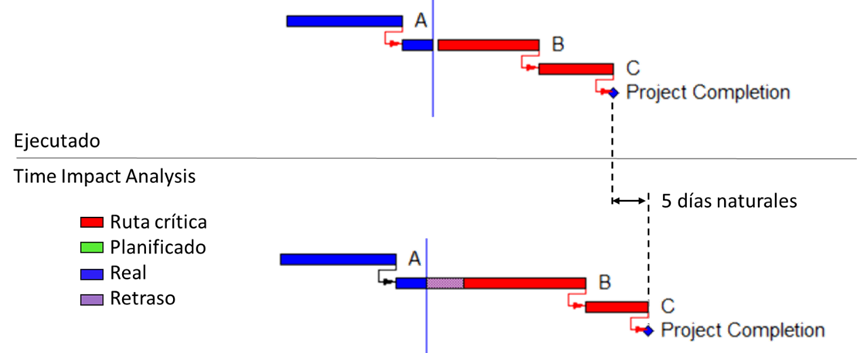
Description The Time Impact Analysis (TIA) method is a modeled technique, characterized by simulating delay effects on a schedule updated to a date preceding the delay event. This
Read more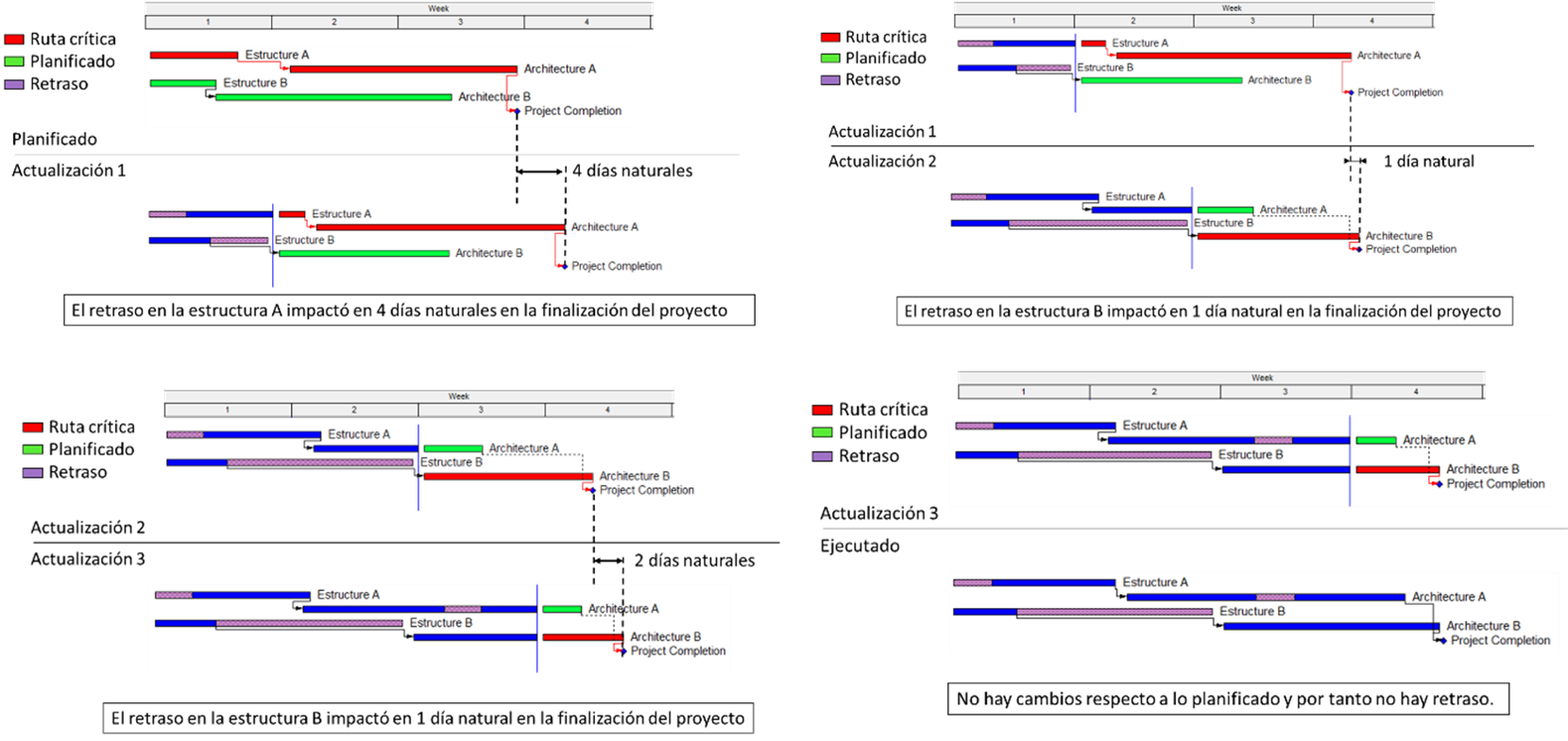
Description The time slice windows analysis represents another approach using the segmentation by project windows. However, in contrast to the As-Planned vs. As-Built Windows Analy
Read more
Lame excuses «That was done by the night shift.» «I don’t know, it was like that when I arrived.» «It’s been there for years, and it hasn’t fallen yet.» «Not everything can go acco
Read more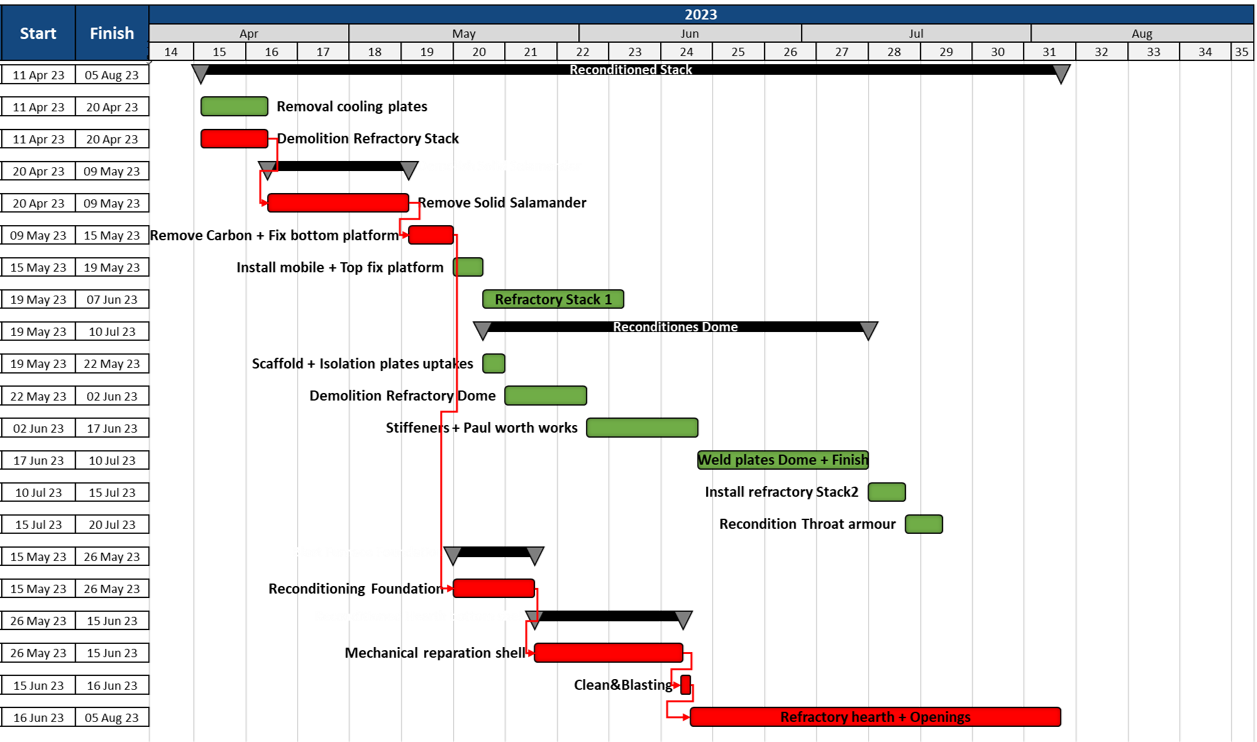
Description The As Planned vs. As-Built Windows Analysis method is a segmentation or window-based approach that offers some advantages over the Time Impact Analysis (TIA). This met
Read more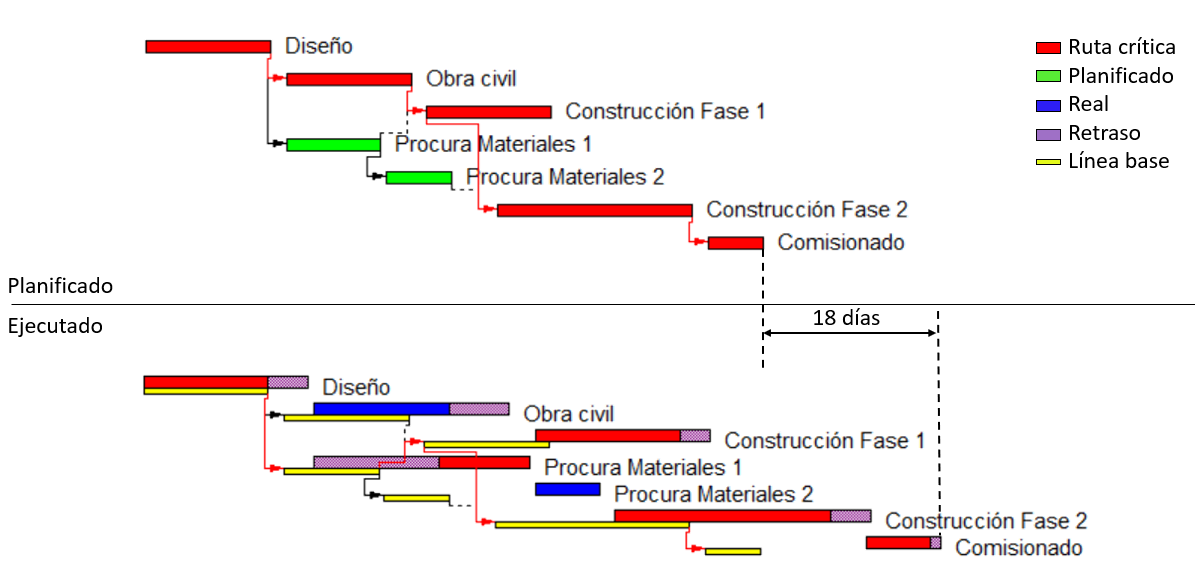
Description The As-Planned vs. As-Built method is a widely used observational technique in delay analysis. It involves comparing the original planned schedule (contractual baseline
Read more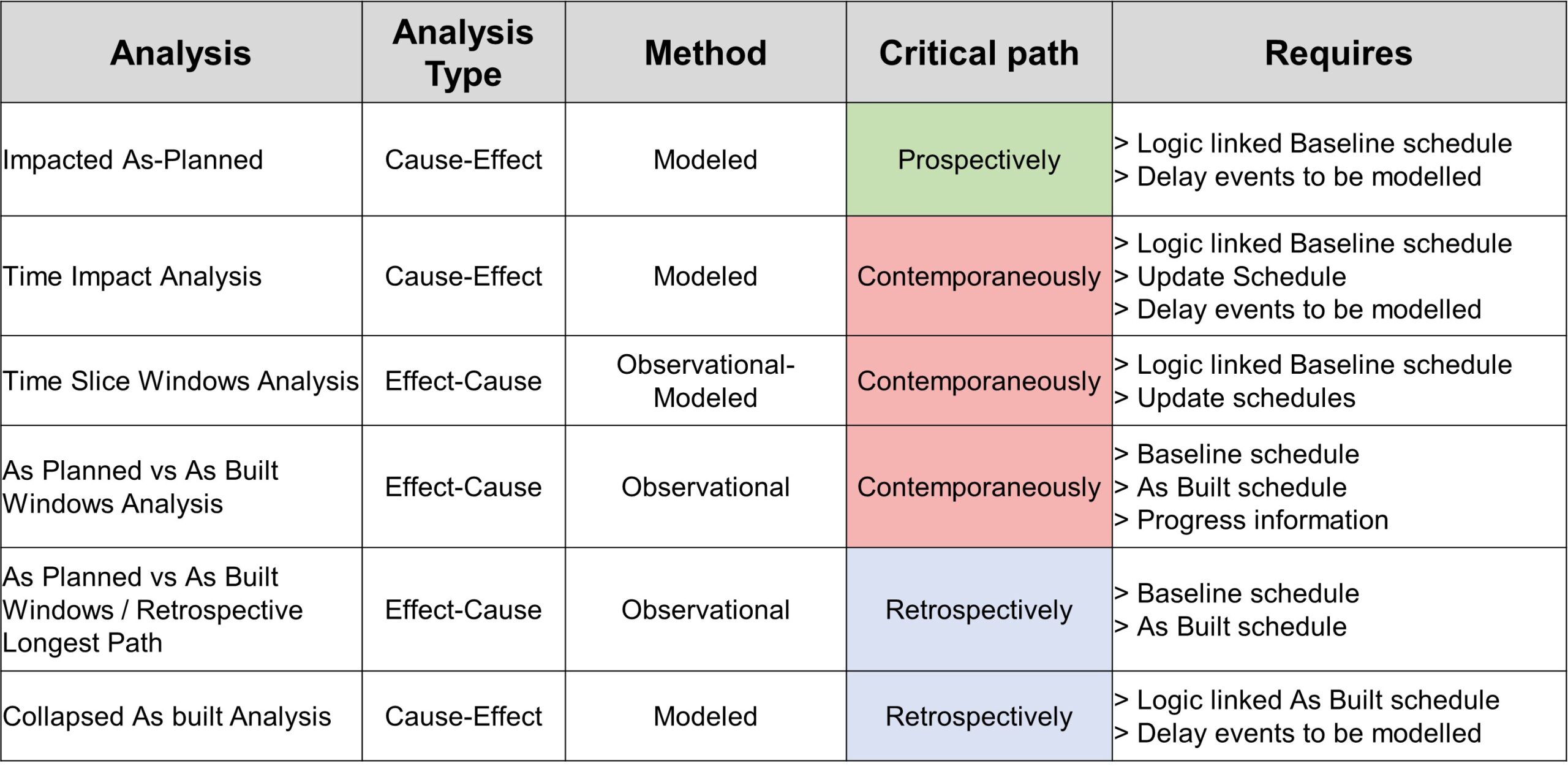
When selecting a delay analysis methodology, several crucial factors must be taken into consideration to ensure the accuracy and effectiveness of the analysis. The choice of one of
Read more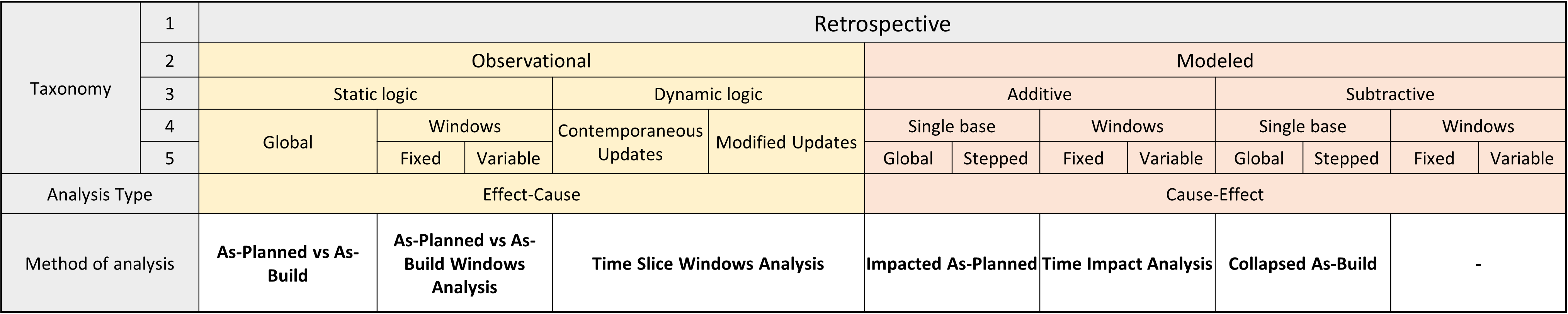
The classification of delay analysis methods combines the taxonomic classification conducted by the AAEC with the six main methods of the SCL. It’s important to note that specific
Read moreThe Society of Construction Law’s (SCL) Protocol and the International Recommended Practice 29R-03 Forensic Schedule Analysis from the Association for the Advancement of Cost Engin
Read more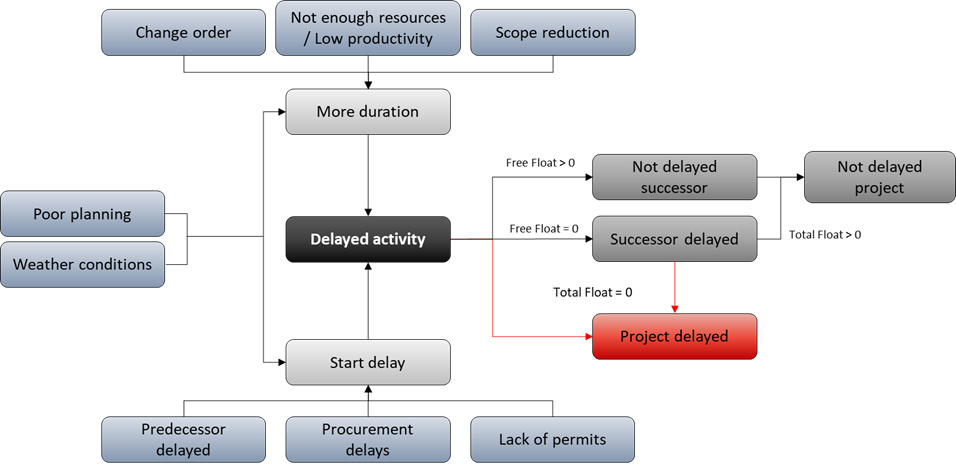
The most common construction project delays vary based on the country, project type, scale, and management of supervision and contractors. While each project is unique, it is possi
Read more
The members of a construction project encompass all the individuals and entities involved in its development. It might be different depending on the country. Promoter The promoter
Read more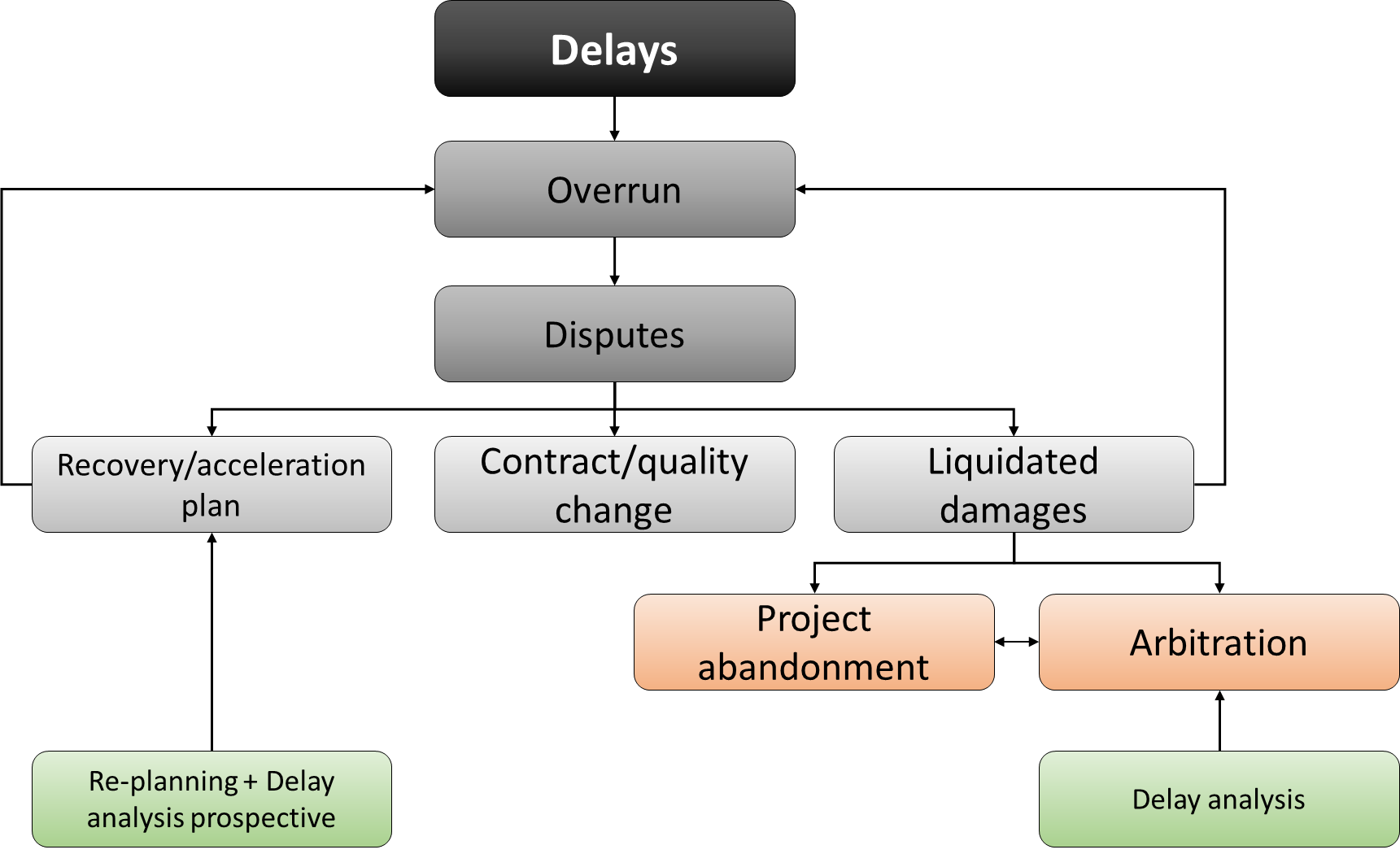
In construction contracts, a delay refers to any event or situation that hinders the fulfillment of agreed-upon activity dates between two parties. In the context of modern constru
Read moreTell us the current phase and what worries you about the schedule. We will come back with an honest first read.
Request a diagnostic →